Company Profile Maker Complete Guide to Creating a Professional Company Profile
A professional company profile is more than just a document introducing your business. It is an opportunity to present your company’s identity, experience, products, services and achievements to potential clients, investors and business partners.
Whether you run a startup, manufacturing company, construction business, trading firm or service-based organisation, a well-structured company profile helps people understand what your business does and why they should consider working with you.
Creating an impressive company profile requires the right information, clear writing and professional design. A reliable company profile maker can help you organise your business information and create a document that represents your brand effectively.
In this guide, you will learn how to create a professional company profile, what information to include, which format to follow and how to make your business profile more effective.
What Is a Company Profile?
A company profile is a professional document that introduces a business to its target audience. It provides an overview of the company’s background, history, mission, vision, products, services, expertise, achievements and business strengths.
Think of it as the introduction or professional identity of your organisation. It helps potential clients, investors, suppliers and partners understand your business without having to ask for every detail individually.
A company profile can be created as a PDF document, PowerPoint presentation or printed brochure, depending on how the business plans to use it.
Businesses can use a company profile maker to organise their information, choose a suitable layout and create a well-presented business document.
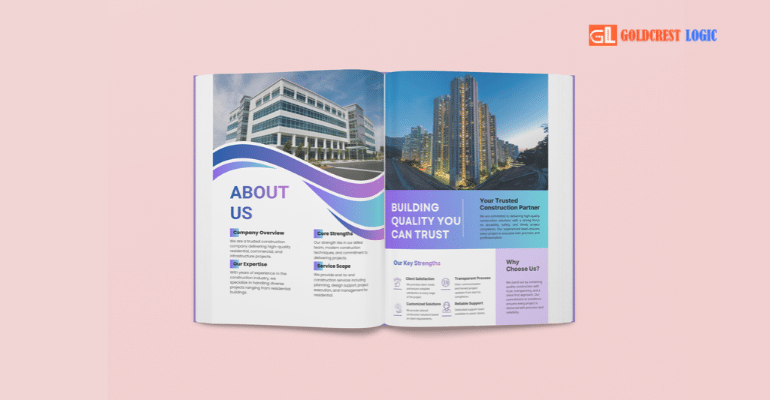
Why Does Every Business Need a Professional Company Profile?
A company profile plays an important role in business communication. It gives potential customers and partners a clear understanding of your organisation.
Here are some important reasons why businesses need one.
1. Builds Business Credibility
A well-presented company profile communicates professionalism. It introduces your experience, capabilities, services and achievements in an organised manner.
2. Creates a Strong First Impression
Your company profile may be one of the first documents a prospective client receives from your business. Clear information and professional visuals help create a positive first impression.
3. Helps Attract New Clients
When potential customers understand your products, services and strengths, they can make more informed decisions about contacting your company.
4. Supports Business Proposals and Tenders
Many businesses use company profiles when approaching corporate clients, submitting proposals or participating in business tenders. A relevant and updated profile makes it easier to present the organisation’s capabilities.
5. Communicates Your Brand Identity
Your company profile brings together your brand story, values, experience and visual identity. It helps maintain consistency in the way your business communicates with its audience.
What Should Be Included in a Company Profile?
The information included in a company profile depends on your industry, business size and intended audience. However, most professional company profiles include the following sections.
1. Cover Page
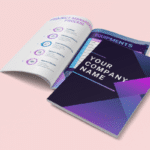
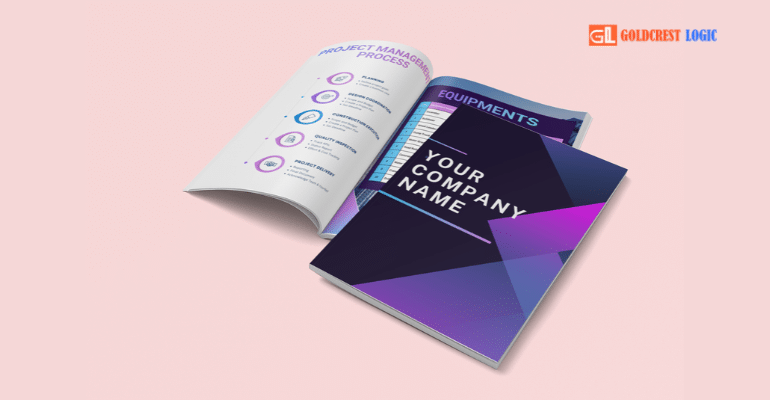
The cover page creates the first visual impression. Include your company name, logo, a relevant image and a short tagline if applicable.
Keep the design clean and consistent with your brand identity.
2. Company Introduction
Introduce your business in a few clear paragraphs. Explain what your company does, when it was established, whom it serves and what makes it relevant to its industry.
Avoid unnecessary promotional statements. Focus on useful and accurate information.
3. Company History and Background
Share your company’s journey, founding details, important milestones and major developments.
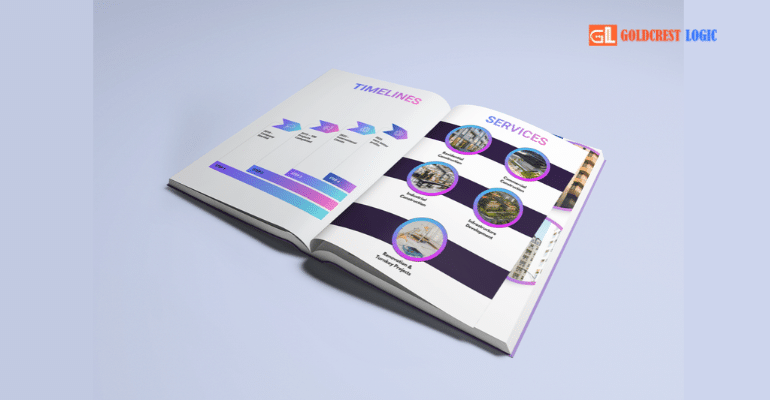
A simple timeline can make this information easier to understand.
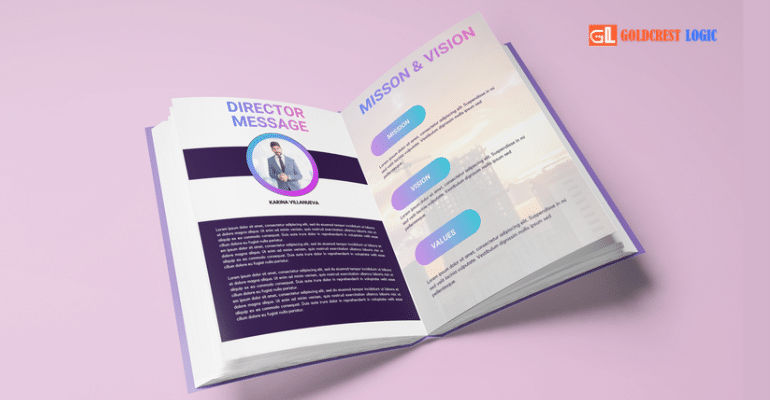
4. Mission and Vision
Your mission explains your organisation’s purpose and what it aims to deliver today.
Your vision describes the long-term direction and goals of your business.
Both statements should be meaningful, realistic and connected to your actual business activities.
5. Products and Services
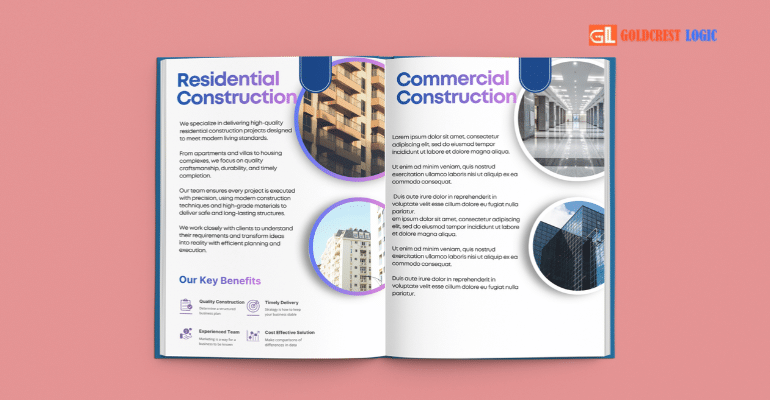
Clearly explain what your company offers. Divide products and services into relevant categories and use short descriptions.
Product photographs, project images and service-related visuals can make this section more engaging.
6. Experience and Achievements
Mention relevant experience, completed projects, awards, certifications and business milestones.
Use verifiable information only. Do not include unsupported claims or exaggerated achievements.
7. Infrastructure and Capabilities
Manufacturing, engineering, construction and industrial businesses can highlight their facilities, machinery, technical capabilities, production capacity and operational strengths where relevant.
8. Leadership and Management Team
Introduce key management members and their relevant professional experience.
A well-organised team section can help clients and partners understand the people responsible for managing the business.
9. Clients and Project Portfolio
Showcase selected clients, completed projects or industries served, provided you have permission to use their names and logos.
Real project photographs and short project descriptions can make this section more useful.
10. Contact Information
Finish with essential contact details such as your office address, phone number, email address, website and other relevant communication channels.
Make sure all contact information is current.
How to Create a Professional Company Profile Step by Step
Creating a company profile becomes easier when you follow a structured process.
Step 1: Define Your Target Audience
Before writing anything, identify who will read your company profile.
Are you preparing it for potential customers, corporate buyers, investors, distributors or tender submissions?
The audience determines which information deserves the most attention.
Step 2: Collect Accurate Company Information
Gather your company introduction, history, mission, vision, services, product details, achievements, project photographs and contact information.
Verify the information before including it in the document.
Step 3: Prepare the Content
Write short, meaningful paragraphs that explain your business clearly.
Avoid complicated language and repeated promotional statements. Focus on your actual experience, services and business strengths.
Step 4: Select the Right Format
Choose a format based on how the profile will be used.
For example:
- PDF company profile for email sharing.
- PowerPoint company profile for presentations and meetings.
- Printed company profile for business meetings and exhibitions.
Step 5: Choose a Suitable Design
Select colours, typography, layouts and images that match your brand identity.
The design should make information easy to read rather than filling every page with decorative elements.
Step 6: Organise the Pages
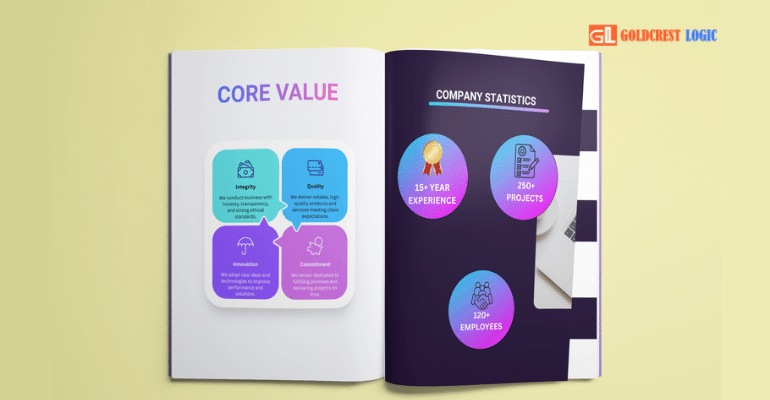
Arrange the information in a logical sequence. Use headings, visual sections, charts, photographs and infographics where they genuinely improve understanding.
Step 7: Review and Finalise
Check spelling, grammar, contact details, images, page numbering and overall consistency.
Make sure the final PDF or presentation looks professional on both desktop and mobile screens.
What Is the Best Company Profile Format?
There is no single format that works for every business. The right structure depends on the company’s requirements and the purpose of the document.
Here is a general example of a company profile structure:
| Page | Suggested Content |
| 1 | Cover Page |
| 2 | Company Introduction |
| 3 | History, Mission and Vision |
| 4 | Products and Services |
| 5 | Infrastructure and Capabilities |
| 6 | Experience and Achievements |
| 7 | Projects and Client Portfolio |
| 8 | Management Team |
| 9 | Why Choose Us |
| 10 | Contact Information |
A smaller business may need fewer pages, while a large organisation with multiple services and projects may require a more detailed document.
The objective should be to include all relevant information without making the profile unnecessarily long.
Company Profile Examples for Different Industries
Different industries have different information requirements. A company profile should reflect the nature of the business rather than follow a generic design.
Manufacturing Company Profile
A manufacturing company should highlight its production facilities, machinery, manufacturing capabilities, quality processes, product categories and certifications.
Construction Company Profile
A construction business can include completed projects, construction capabilities, engineering expertise, safety practices, infrastructure and project management experience.
IT Company Profile
An IT company profile should focus on technology services, software solutions, technical expertise, development capabilities, industry experience and client projects.
Trading and Export Company Profile
Trading and export businesses can highlight product categories, sourcing capabilities, supply networks, export markets, logistics and quality standards.
Electrical and Engineering Company Profile
Electrical and engineering companies can showcase technical services, EPC capabilities, installation projects, engineering expertise, equipment and relevant certifications.
The most effective approach is to customise the content and visual presentation according to the company’s industry.
How to Write Professional Company Profile Content
Good company profile writing should be clear, informative and relevant to the target audience.
Follow these practical tips:
- Start with a strong and simple company introduction.
- Explain your products and services clearly.
- Highlight genuine business strengths.
- Use specific examples instead of vague claims.
- Include relevant achievements and project experience.
- Keep paragraphs short and easy to read.
- Avoid unnecessary technical language.
- Maintain a consistent professional tone.
Your company profile should communicate what your business does and what value it offers to customers.
Important Company Profile Design Tips
Professional design makes business information easier to understand and remember.
Consider these design principles:
Maintain Brand Consistency
Use your company logo, brand colours and consistent typography throughout the document.
Use Relevant Images
Include actual office, factory, product, team and project photographs wherever possible.
Avoid Overcrowded Pages
Give headings, paragraphs and images enough space. A clean layout improves readability.
Use Clear Typography
Choose readable fonts and maintain appropriate text sizes. Avoid using too many font styles on the same page.
Include Visual Information
Charts, timelines, process diagrams and infographics can help explain complex information more effectively.
Check the Final Document
Review the PDF on different screen sizes and make sure images, text and layouts are displayed correctly.
Online Company Profile Maker vs Professional Design Service
Businesses can create their company profiles using online tools or hire professional designers.
Both options have different advantages.
| Online Company Profile Maker | Professional Design Service |
| Suitable for basic requirements | Suitable for customised business profiles |
| Usually uses ready-made templates | Design created according to brand identity |
| Requires the user to prepare content | Content writing support may be available |
| Offers limited customisation in some tools | More flexibility in layout and presentation |
| Suitable for simple documents | Useful for detailed corporate profiles |
An online company profile maker can be a convenient starting point for businesses with basic requirements.
However, companies that need customised content, professional presentation, industry-specific layouts or detailed project portfolios may benefit from a professional design service.
The right choice depends on your budget, available information and the level of presentation you expect.
How Much Does Company Profile Design Cost in India?
The cost of company profile design in India depends on several factors, including:
- Number of pages.
- Complexity of the design.
- Content writing requirements.
- Quality and availability of photographs.
- Custom illustrations and infographics.
- Revision and delivery requirements.
A simple company profile may require less work than a detailed corporate profile containing multiple services, projects, technical information and customised graphics.
Before selecting a service provider, review their portfolio, understand the scope of work and confirm what is included in the quoted price.
How to Choose the Right Company Profile Designer?
Selecting the right designer or agency is important because your company profile represents your business.
Consider the following points before making a decision:
- Review Previous Work: Check the designer’s portfolio and see whether the quality matches your expectations.
- Check Industry Experience: Experience with similar businesses can help the designer understand your requirements.
- Ask About Content Writing: Find out whether the service includes writing, editing or only visual design.
- Understand the Deliverables: Confirm whether you will receive a PDF, PowerPoint or editable source file.
- Discuss Timelines: Confirm the expected delivery date and revision process.
- Check Communication: Choose a service provider who understands your requirements and communicates clearly.
Common Mistakes to Avoid When Creating a Company Profile
Even businesses with good products and services can create ineffective company profiles if important details are overlooked.
Avoid these common mistakes:
- Adding too much unnecessary information.
- Using low-quality or irrelevant images.
- Copying content from other company profiles.
- Making unsupported claims about experience or achievements.
- Ignoring brand colours and visual consistency.
- Using very small fonts.
- Missing important contact details.
- Not updating outdated company information.
- Creating a generic profile that does not reflect the business.
A professional company profile should be accurate, visually consistent and focused on the audience’s requirements.
Frequently Asked Questions About Company Profile Makers
1. What is a company profile maker?
A company profile maker is a tool or service that helps businesses organise their company information and create a professional company profile. It may offer ready-made templates, layouts and design features.
2. How can I create a company profile for my business?
Start by collecting company information, including your introduction, history, mission, vision, products, services, achievements and contact details. Organise this information into relevant sections, choose a suitable format and create a clean, professional design.
3. How many pages should a company profile have?
There is no fixed page count. A basic company profile may need only a few pages, while a large organisation with multiple services, projects and capabilities may need a longer document. The length should depend on the information and audience.
4. Can I create a company profile online?
Yes. You can use online company profile makers and design tools to create a basic company profile. For more customised requirements, you can consider professional writing and design services.
5. What is the difference between a company profile and a business profile?
The terms are often used interchangeably. A company profile generally introduces an organisation, its history, services, capabilities and achievements. A business profile may also refer to a shorter overview of a business, depending on the context.
6. Should I use PDF or PowerPoint for my company profile?
PDF is useful for sharing a final document through email or messaging platforms. PowerPoint is useful when you need to present your company information during meetings. You can prepare both formats depending on your requirements.
7. Can a professional company profile help attract clients?
A clear and well-designed company profile can help potential clients understand your services, experience and capabilities. It supports business communication, although winning clients also depends on your offerings, pricing, reputation and sales process.
Create a Professional Company Profile with Goldcrest Logic
Your company profile is an important part of your business presentation. It should communicate your identity, experience, services and capabilities in a clear and professional manner.
If you want a customised company profile for your business, Goldcrest Logic provides company profile writing and design services tailored to different business requirements.
From content organisation and professional writing to customised layouts and visual presentation, the objective is to create a company profile that represents your brand effectively.
Explore our Company Profile Design Service to learn more about the available services and discuss your requirements.
A well-planned company profile can help your business present itself more confidently to clients, partners and potential customers.

SEO Specialist at Goldcrest Logic, focused on improving website visibility, organic traffic, search engine rankings, and overall digital growth.
Responsible for keyword research, on-page and technical SEO, content optimization, internal linking, off-page SEO, quality backlink building, competitor analysis, and Google Search Console performance monitoring.
Committed to implementing effective, data-driven SEO strategies that improve search performance and generate meaningful business growth.